
Mindfulness & Meditation in Addiction Treatment
Mindfulness and meditation practices in addiction treatment help develop present-moment awareness, manage cravings, reduce stress, and prevent relapse. Mindfulness-based interventions provide powerful tools for long-term recovery.
Found 300 treatment centers offering mindfulness & meditation across the United States.
Need Help Finding the Right Treatment Center?
Speak with a compassionate specialist now - 100% free & confidential
Showing 6 of 300 mindfulness & meditation treatment centers

Dare U to Care Outreach Ministry, situated in Los Angeles, CA, provides a range of treatment options for individuals facing substance use challenges, alongside transitional housing services. This facility focuses on long-term residential care, offering 24-hour support tailored for adult men and women, as well as young adults who have encountered intimate partner violence or domestic violence. The center’s approach includes specialized programs that emphasize 12-step facilitation, anger management, and brief interventions designed to meet the unique needs of each individual. With a strong commitment to delivering quality care, Dare U to Care Outreach Ministry aims to support clients in their journey towards lasting recovery and in the process of rebuilding their lives.
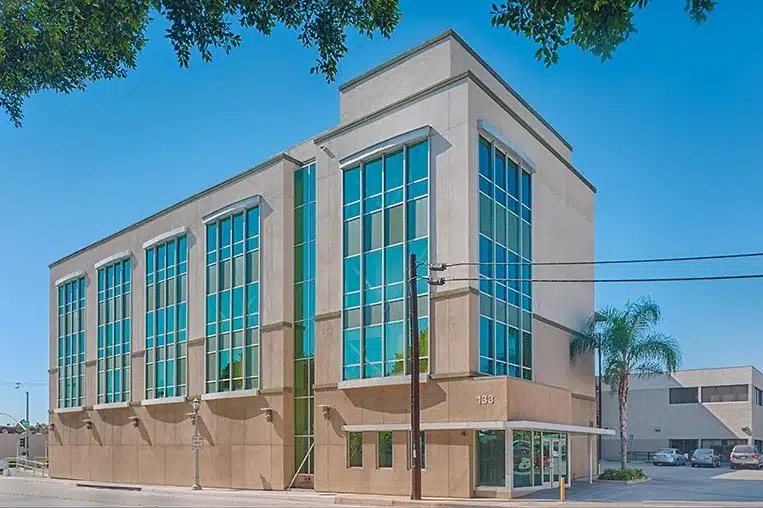
Situated in Pasadena, California, Dedicato Treatment Center provides a range of substance use treatment options aimed at both adults and young adults. The facility offers a variety of programs, including intensive outpatient treatment, outpatient services, and outpatient day treatment. With an emphasis on evidence-based practices such as 12-step facilitation, cognitive behavioral therapy, and anger management, the center customizes its programs to address the unique circumstances of each client. Dedicato Treatment Center is particularly focused on serving adult men and women, as well as individuals who have faced traumatic experiences, and it provides gender-specific care to enhance the treatment experience. These varied approaches contribute to a supportive environment for individuals seeking tailored addiction recovery options in the Pasadena community.
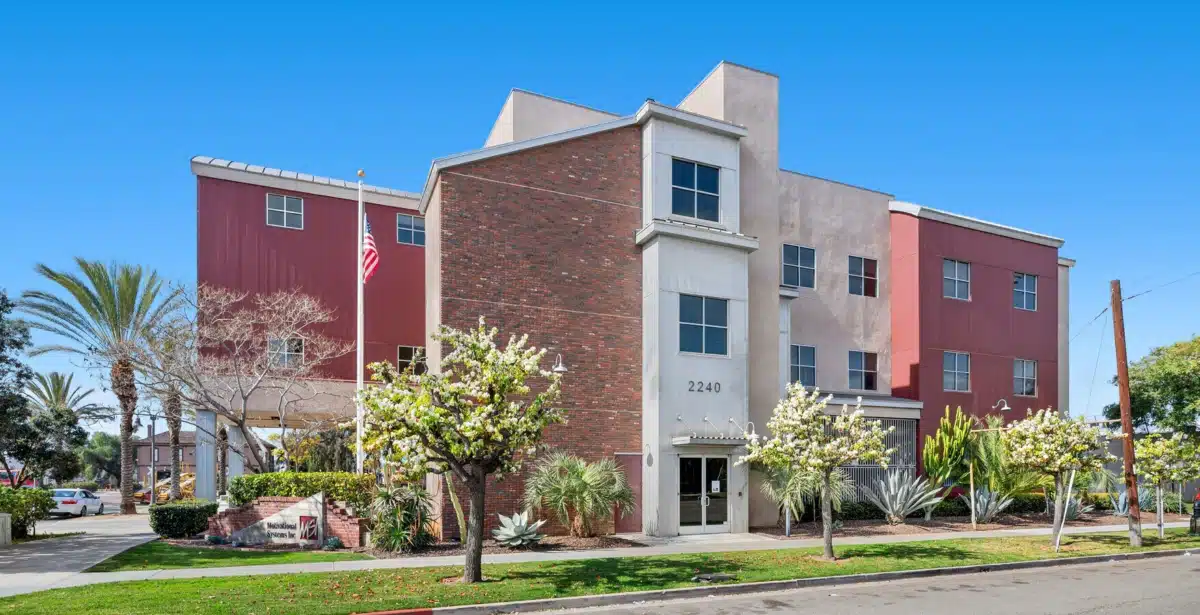
Deaf Community Services of San Diego, situated in San Diego, CA, provides dedicated substance use treatment for both adults and young adults. The facility emphasizes intensive outpatient programs, as well as both outpatient and regular outpatient services, employing evidence-based practices such as 12-step facilitation, brief intervention, and cognitive behavioral therapy. It offers customized programs designed for adult men, adult women, and individuals who have faced trauma, ensuring that the care is sensitive to the unique needs of each client. The center fosters a welcoming environment for both male and female participants, committed to providing supportive, inclusive treatment that focuses on personalized care to aid individuals in their recovery process.

Crossroad Transitional Inc, located in Northridge, CA, provides a range of rehabilitation services designed for adults and young adults who are experiencing substance use issues alongside co-occurring mental health disorders. The facility has specialized programs catering to active duty military personnel as well as adult men and women. Among the services offered are hospital inpatient detoxification and various treatment methodologies, including 12-step facilitation, anger management techniques, and brief interventions. With a commitment to personalized care for both genders, Crossroad Transitional Inc aims to create a welcoming environment for all clients. The center prioritizes quality and individualized treatment, making it a resource for individuals in search of compassionate support during their recovery journey.
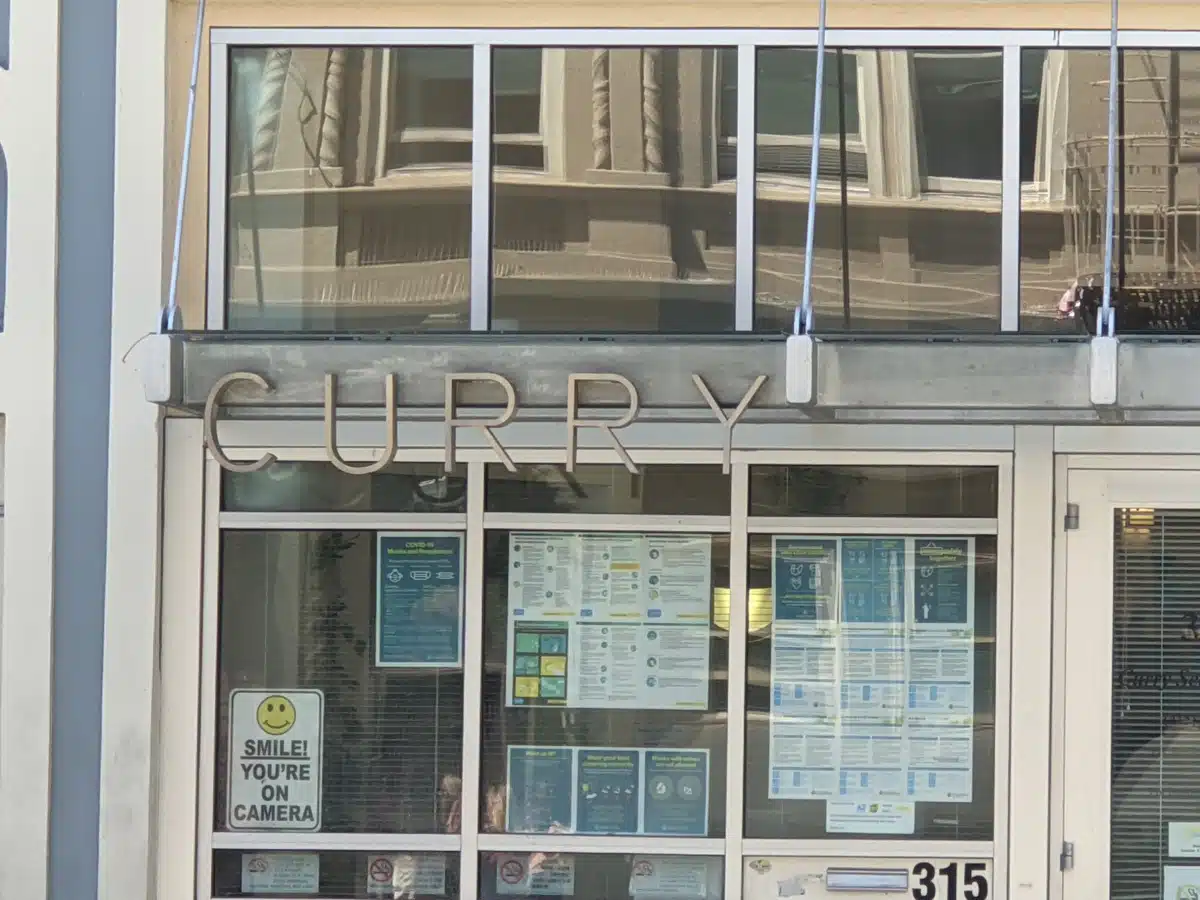
Curry Senior Center, situated in San Francisco, CA, offers outpatient treatment for substance use and specialized services for adults facing serious mental health challenges in tandem with their substance use issues. This center employs methods such as brief intervention, cognitive behavioral therapy, and motivational interviewing in its regular outpatient programs. Furthermore, it features specialized support for those who have encountered intimate partner violence, domestic violence, sexual abuse, and trauma. Catering to adult clients of any gender, Curry Senior Center emphasizes a personalized approach to treatment that fosters holistic healing and recovery. The facility is dedicated to providing compassionate and comprehensive care for individuals in need of support and rehabilitation.

Crossroads Foundation, located in San Diego, California, provides long-term residential treatment designed for adults dealing with substance use disorders alongside serious mental health concerns, as well as for children experiencing significant emotional disturbances. The facility ensures around-the-clock care and employs therapeutic techniques, including 12-step facilitation, anger management, and brief intervention strategies. Although the program primarily focuses on adult women, it also accommodates seniors and young adult females. Crossroads Foundation is recognized for its individualized care plans and the extensive support it offers to individuals facing multifaceted challenges, fostering a supportive atmosphere conducive to lasting recovery.
Frequently Asked Questions
About Mindfulness & Meditation
Mindfulness and meditation practices have gained significant recognition in addiction treatment over the past two decades. Backed by neuroscience research showing how mindfulness changes brain function and structure, these practices provide powerful tools for managing cravings, reducing stress, improving emotional regulation, and preventing relapse. Mindfulness-Based Relapse Prevention (MBRP) and other approaches integrate ancient contemplative practices with modern addiction science.
What Is Mindfulness?
Mindfulness is paying attention to present-moment experience with openness, curiosity, and acceptance rather than judgment or reactivity. In addiction recovery, mindfulness means observing cravings, thoughts, emotions, and sensations as they arise and pass without automatically acting on them. This creates space between impulse and action, enabling conscious choice rather than automatic substance use.
Mindfulness-Based Relapse Prevention (MBRP)
MBRP is structured 8-week program teaching:
- Awareness of triggers and automatic reactions: Recognizing patterns leading to use
- Mindfulness meditation practices: Sitting meditation, body scan, mindful movement
- Urge surfing: Riding cravings like waves without acting
- SOBER breathing space: Brief practice for high-risk moments
- Self-compassion: Kind, non-judgmental response to difficulties
- Lifestyle balance: Creating life supporting wellness and recovery
Neuroscience of Mindfulness
Brain imaging research shows mindfulness meditation increases activity in prefrontal cortex (executive control, decision-making) while decreasing amygdala reactivity (stress, emotional reactivity). Regular practice strengthens neural pathways for awareness, self-regulation, and conscious choice - exactly what's needed in recovery. Mindfulness also reduces stress hormone levels and improves immune function.
Mindfulness in Treatment Settings
Many addiction treatment programs incorporate mindfulness through meditation instruction, yoga, mindful movement, breathing exercises, and informal mindfulness practices. Mindfulness complements other treatments like CBT and DBT, enhancing their effectiveness. Some programs specialize in mindfulness-based approaches within comprehensive treatment.
Developing a Practice
Mindfulness is skill developed through regular practice. Even 10-20 minutes daily creates benefits. Start with guided meditations, apps (Headspace, Calm, Insight Timer), or MBRP groups. Practice during treatment provides foundation for lifelong mindfulness supporting ongoing recovery, stress management, emotional wellbeing, and conscious living.
Mindfulness resources: