
Faith-Based Addiction Treatment Centers
Faith-based addiction treatment integrates spiritual and religious principles into recovery, providing hope, purpose, and community support through shared faith. Christian and other faith-based programs address spiritual aspects of healing.
Found 300 treatment centers offering faith-based treatment across the United States.
Need Help Finding the Right Treatment Center?
Speak with a compassionate specialist now - 100% free & confidential
Showing 6 of 300 faith-based treatment treatment centers
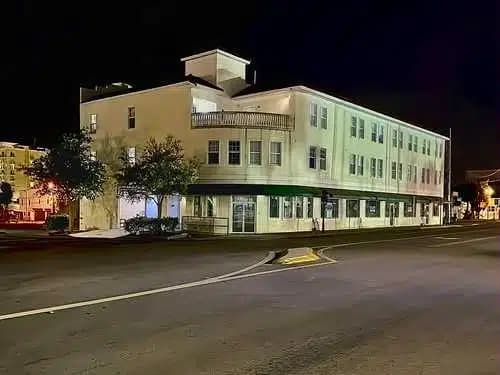
Dare U to Care Outreach Ministry, situated in Los Angeles, CA, provides a range of treatment options for individuals facing substance use challenges, alongside transitional housing services. This facility focuses on long-term residential care, offering 24-hour support tailored for adult men and women, as well as young adults who have encountered intimate partner violence or domestic violence. The center’s approach includes specialized programs that emphasize 12-step facilitation, anger management, and brief interventions designed to meet the unique needs of each individual. With a strong commitment to delivering quality care, Dare U to Care Outreach Ministry aims to support clients in their journey towards lasting recovery and in the process of rebuilding their lives.
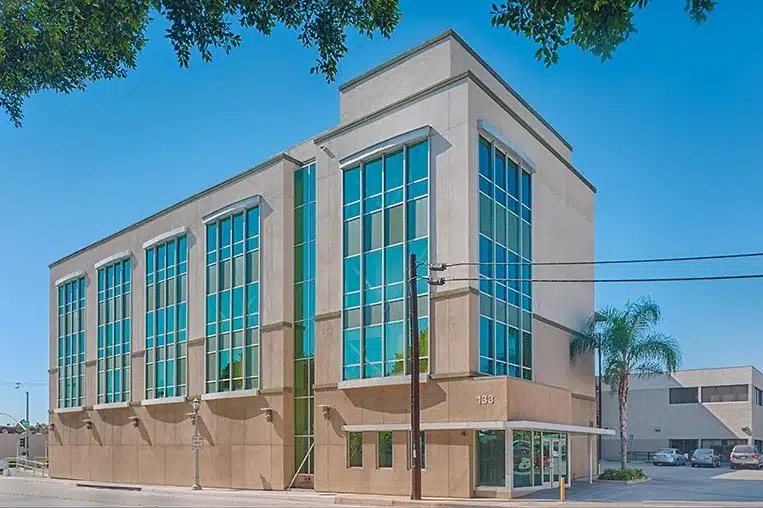
Situated in Pasadena, California, Dedicato Treatment Center provides a range of substance use treatment options aimed at both adults and young adults. The facility offers a variety of programs, including intensive outpatient treatment, outpatient services, and outpatient day treatment. With an emphasis on evidence-based practices such as 12-step facilitation, cognitive behavioral therapy, and anger management, the center customizes its programs to address the unique circumstances of each client. Dedicato Treatment Center is particularly focused on serving adult men and women, as well as individuals who have faced traumatic experiences, and it provides gender-specific care to enhance the treatment experience. These varied approaches contribute to a supportive environment for individuals seeking tailored addiction recovery options in the Pasadena community.
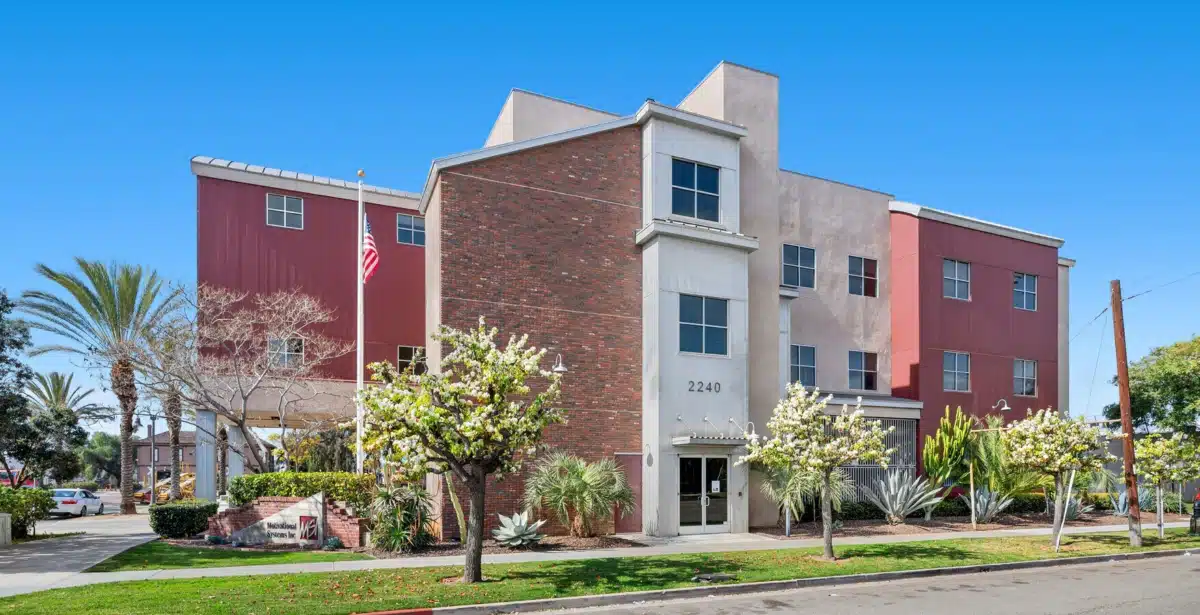
Deaf Community Services of San Diego, situated in San Diego, CA, provides dedicated substance use treatment for both adults and young adults. The facility emphasizes intensive outpatient programs, as well as both outpatient and regular outpatient services, employing evidence-based practices such as 12-step facilitation, brief intervention, and cognitive behavioral therapy. It offers customized programs designed for adult men, adult women, and individuals who have faced trauma, ensuring that the care is sensitive to the unique needs of each client. The center fosters a welcoming environment for both male and female participants, committed to providing supportive, inclusive treatment that focuses on personalized care to aid individuals in their recovery process.
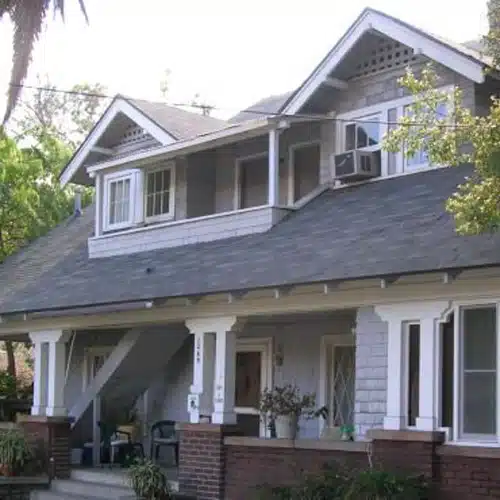
Crossroad Transitional Inc, located in Northridge, CA, provides a range of rehabilitation services designed for adults and young adults who are experiencing substance use issues alongside co-occurring mental health disorders. The facility has specialized programs catering to active duty military personnel as well as adult men and women. Among the services offered are hospital inpatient detoxification and various treatment methodologies, including 12-step facilitation, anger management techniques, and brief interventions. With a commitment to personalized care for both genders, Crossroad Transitional Inc aims to create a welcoming environment for all clients. The center prioritizes quality and individualized treatment, making it a resource for individuals in search of compassionate support during their recovery journey.
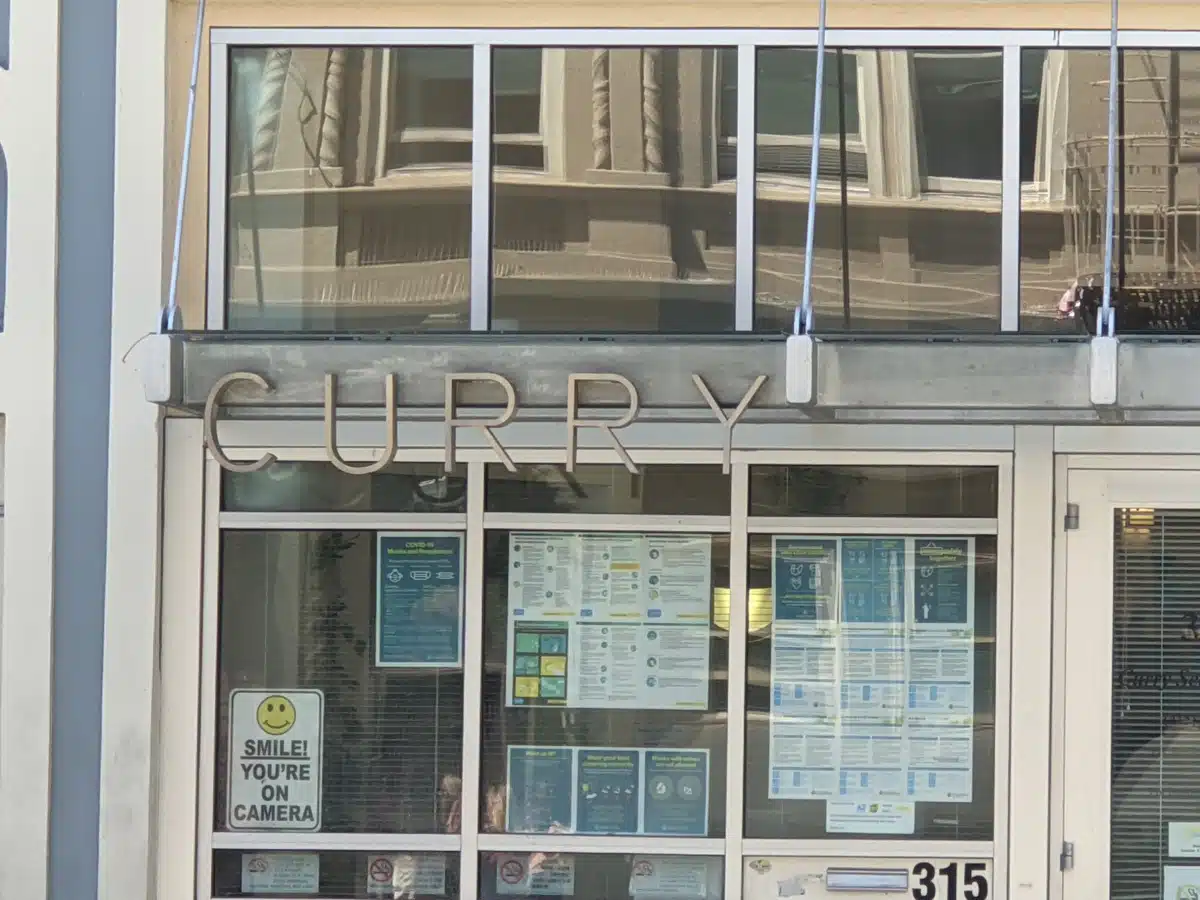
Curry Senior Center, situated in San Francisco, CA, offers outpatient treatment for substance use and specialized services for adults facing serious mental health challenges in tandem with their substance use issues. This center employs methods such as brief intervention, cognitive behavioral therapy, and motivational interviewing in its regular outpatient programs. Furthermore, it features specialized support for those who have encountered intimate partner violence, domestic violence, sexual abuse, and trauma. Catering to adult clients of any gender, Curry Senior Center emphasizes a personalized approach to treatment that fosters holistic healing and recovery. The facility is dedicated to providing compassionate and comprehensive care for individuals in need of support and rehabilitation.
Crossroads Foundation, located in San Diego, California, provides long-term residential treatment designed for adults dealing with substance use disorders alongside serious mental health concerns, as well as for children experiencing significant emotional disturbances. The facility ensures around-the-clock care and employs therapeutic techniques, including 12-step facilitation, anger management, and brief intervention strategies. Although the program primarily focuses on adult women, it also accommodates seniors and young adult females. Crossroads Foundation is recognized for its individualized care plans and the extensive support it offers to individuals facing multifaceted challenges, fostering a supportive atmosphere conducive to lasting recovery.
Frequently Asked Questions
About Faith-Based Treatment
Faith-based addiction treatment integrates spiritual and religious principles into recovery, addressing the spiritual dimensions of healing alongside physical and psychological treatment. Most programs are Christian-based, though other faiths are represented. For individuals who value spirituality and find meaning in religious framework, faith-based treatment offers hope, purpose, community, and connection to something greater than themselves.
Spiritual Principles in Recovery
Faith-based programs emphasize spiritual principles central to recovery:
- Surrender: Acknowledging inability to overcome addiction alone and turning to Higher Power
- Forgiveness: Receiving and extending forgiveness for past harms
- Redemption: Believing in possibility of transformation and new life
- Grace: Unmerited love and support from God/Higher Power
- Purpose: Finding meaning and calling beyond addiction
- Community: Fellowship with others sharing faith and recovery journey
Program Components
Faith-based treatment typically includes clinical components (individual therapy, group counseling, evidence-based therapies, medical care) integrated with spiritual practices (daily chapel, prayer, Bible study, worship, spiritual direction). Programs vary in religious emphasis from explicitly Christian requiring participation in faith activities to spiritually-oriented welcoming all beliefs.
Research and Effectiveness
Research shows faith-based treatment can be effective, with spirituality and religious involvement associated with better addiction outcomes. Spiritual practices provide coping mechanisms, meaning, hope, social support through faith communities, and structure for living. Effectiveness depends on individual's spiritual openness, program quality including clinical components, staff credentials, and comprehensive approach addressing all aspects of addiction.
Post-Treatment Faith Community Support
Faith-based treatment often connects individuals with ongoing faith community support - churches, Bible studies, Christian 12-step groups like Celebrate Recovery. This continuing involvement provides accountability, fellowship, service opportunities, and spiritual growth supporting long-term recovery. Faith community can be powerful asset in maintaining sobriety and building meaningful life.
Considering Faith-Based Treatment
Faith-based treatment is most beneficial for individuals who value spirituality, seek faith-integrated approach, find meaning in religious framework, or desire Christian community support. Research individual programs carefully regarding clinical qualifications, accreditation, evidence-based practices, and expectations for religious participation. Quality programs balance spiritual emphasis with professional clinical treatment.
Faith-based recovery resources: